I found many similarities between Boy on the Edge and the other novels we’ve read this semester. Here are some common themes:
- Special sibling (almost all)
- Outsider (almost all)
- Difficulty communicating (Speak)
- Disability (Part Time Indian)
- Depression (Speak)
- Self harm/Suicide (Speak, Forever)
- Seasons reflecting the plot (Seventeenth Summer)
- Homosexuality (Boy meets Boy)
- Rape (Speak, Caged Bird, Catcher in the Rye)
- Alcohol abuse (Part Time Indian)
- Bringing in outside literature (Boy meets Boy, The Chocolate War)
It almost feels like it shares some common theme with every novel we’ve read so far. What then sets this novel apart? The only major difference I picked out was the prominent setting, as well as the main character’s relationship with writing/reading.
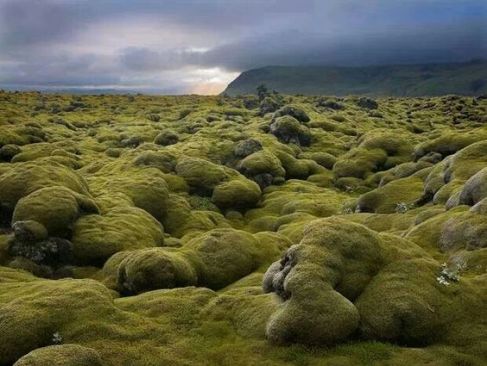
Here are some gorgeous pics of Iceland’s lava flats and cliffs. It is beautiful, but intense, and it is an incredibly dramatic backdrop for a fairly dramatic tale. This novel could not take place in any other setting while maintaining its message, plot, and tone.


Another thing that sets this novel apart is the treatment of literacy. Henry struggles to read and to talk, and him reading The Little Prince, as well as him writing the letter to Ollie at the end, are huge parts of Henry’s character arc. In many of the other novels we read the main characters are writers, and are often writing their own tales. I imagine that this is a plug for literacy, which reminds me of Monster, where the author is a huge advocate for literacy.

This novel was darker than alot of the YA novels we’ve read due to both the setting and the subject matter. I really enjoyed it and it reminded me in many of ways of Wuthering Heights, especially the isolated, ominous, yet beautiful setting, and the literacy arc. It is interesting that it reminded me so much of a novel meant for adults, and I am actually curious how many young kids read and enjoy this novel.


 Reading Young Adult Literature
Leave a reply to cusickra17 Cancel reply