I Know Why the Caged Bird Sings has a variety of complex themes to analyze, from race and segregation to gender and sexual assault. One recurring motif I noticed, however, is the subtle way in which religion appears in the text. Not only is the strong Christian faith of her grandmother and the black community a prominent part of her childhood in Stamps, it also allows the reader to understand her initial childlike views on faith and the church.
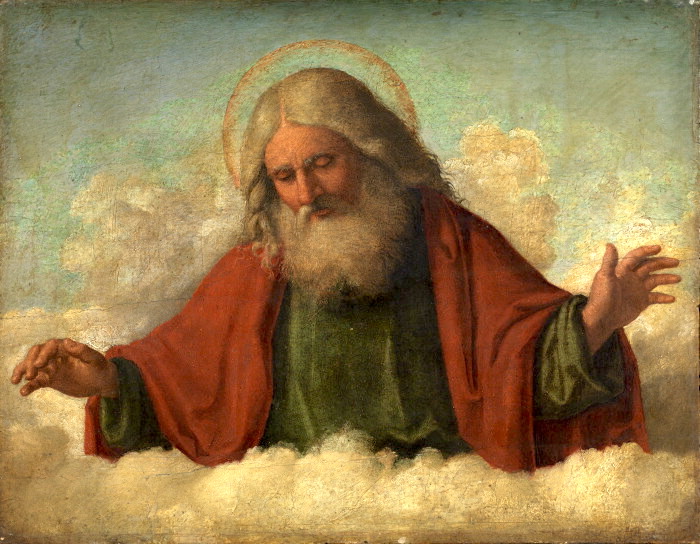
Several times over the book, Angelou (as a young child) explicitly associates the concept of God with whiteness. Despite all of her experiences with her black church and predominantly black community, she states, “I knew God was white too, but no one could have made me believe He was prejudiced” (49-50). This sentence holds a fascinating contradiction: the belief that God is white (and thus very different and unlike herself) but also loves people of all skin colors equally. She reinforces this later when she is visited by a white policeman, who she describes as “taller than the sky and whiter than my image of God” (86). Earlier, she had established “white” as potentially threatening and foreign; and yet in a religious context, she nonchalantly assumes it is an essential part of the deity she and her family worships. It’s no wonder Angelou has such an ambivalent, even vaguely sarcastic tone when looking back at specific incidences in church. Even as a child, she seems to have conflicting feelings about the purpose and origins of the Christian religion.
Another excellent moment of insight comes later in the novel, when Angelou ruminates on the reason her community is so adamant about Christianity in the first place. She comes to the conclusion that “even if they were society’s parish, they were going to be angels in a marble white heaven and sit on the right hand of Jesus, the Son of God… all the negroes had to do… was bear up under this life of toil and cares, because a blessed home awaited them in the far-off bye and bye” (129). Here her tone is yet again mixed, a sense of righteous awe and bitterness over what she may see as the resigned nature of her town towards their current oppressed lifestyle. There is also another subtle association of God with whiteness in “the marble white heaven”, further exemplifying how she has learned to code her own faith with ideas about race and salvation. While Angelou’s attitude about her religious upbringing is never quite hostile, I’m curious to see how she her views on religion will mature and potentially change as she reaches adulthood.


 Reading Young Adult Literature
Leave a reply to drenovales Cancel reply