I must admit, I haven’t done a lot of Bible study or Christian science research in my life. I am not even sure I’ve read all of Genesis. That being said, an interesting distinction I’ve noticed in Paradise Lost is the addition of God’s “son” as a speaking, influential character. In the Old Testament, there is never a direct mention of Jesus, or any sort of “son of God.” As we know, Paradise Lost brings a new perspective to the book of Genesis, a fictional interpretation, revealed through characters including Raphael, Satan and God himself. I think the most startling and intriguing detail so far is the profound importance of God’s son, and the way in which Milton portrays him.
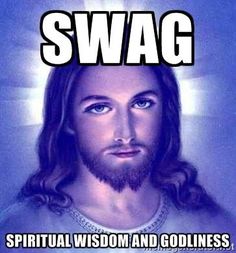
We first read about God’s son when God foresees the downfall of Man, and his son, in response, sacrifices himself for the salvation of mankind. Already, the son is described as honorable, pious and benevolent, a hero to the race of man. Why does Milton glorify the son of God in such a way, when he subtly challenges and argues against the power/ability of God as a ruling figure? Later, the son is depicted again as a perfectly loyal and dutiful being, cursing Satan’s name for returning to Heaven. All the angels love the son for his pious nature and honorable sacrifice, but some other deeper love and respect is hinted at by Milton. While God rules through power, and sometimes, fear, his son leads as a beloved hero. The two converse on all matters of importance, and yet while God is the amoral strategist, Jesus is a charismatic activist only interested in doing right where there is wrong.
So, why does he do this? Why would Milton glorify Jesus Christ in the beginning of the book if he wrote Paradise Lost at a time when he was losing faith in the Church and its corruption? The answer is up to the reader (or perhaps the historian) and continues to elude my mind. This thematic inconsistency has been the most confusing part of the text so far for me, and hopefully we will soon begin to discover Milton’s purpose. And then again, maybe I’ve totally misinterpreted the entire text and this post is completely meaningless. Either way, I think my favorite character so far is the son of God, simply because he is so…purposefully perfect?


 Reading Young Adult Literature
Leave a comment