Displacement has been a common underlying theme throughout the books we have read thus far. Holden felt displaced after four boarding schools while he was roaming the streets of New York, and eventually even Angie had to leave the familiarity of her small town and get on a train. This time in the lives of each character serves as a period of transition and realization, though hopefully in the direction of stability, no matter the lack of character arch we see from Holden. Margret (Marguerite) is different as her life is constantly overshadowed by the theme of displacement. After traveling as a young child, leaving for St. Louis, and returning, Margret has covered more ground than Holden or Angie could have imagined in their young lives. Also Margret’s idea of family has seen stages of displacement. One of the only consistent aspects of her life is her brother, Bailey.
This is why I titled this post with an incredible cheesy cliché; home is where the heart is. No matter the instability in the life of Holden, he finds condolence in the empathy and love he receives from his sister. None of his four boarding schools served as a home for Holden, but the happiness he feels watching his sister go around and around on a carousal is the closest thing Holden has to feeling at home. Margret’s case is similar but to a greater extent. With no emotionally or even physically available parent figures, Bailey and the Store serve as home for Margret. Though St. Louis presented an upper scale life, the familiarity of returning to the store was like a “cocoon” (74) for Margret as she escaped (even if only physically) the trauma of her time in St. Louis. Though Mamma wasn’t the most openly affectionate, she cares deeply about Margret in comparison to her absentee-mother. Bailey, despite his better looks and extroverted personality, he loves Margret, and that stability in her life serves to counter her physical displacement (17). Love, empathy, and understanding are what provide solace and the heart with a home.
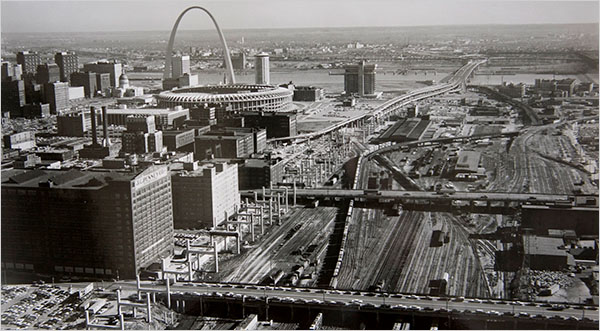
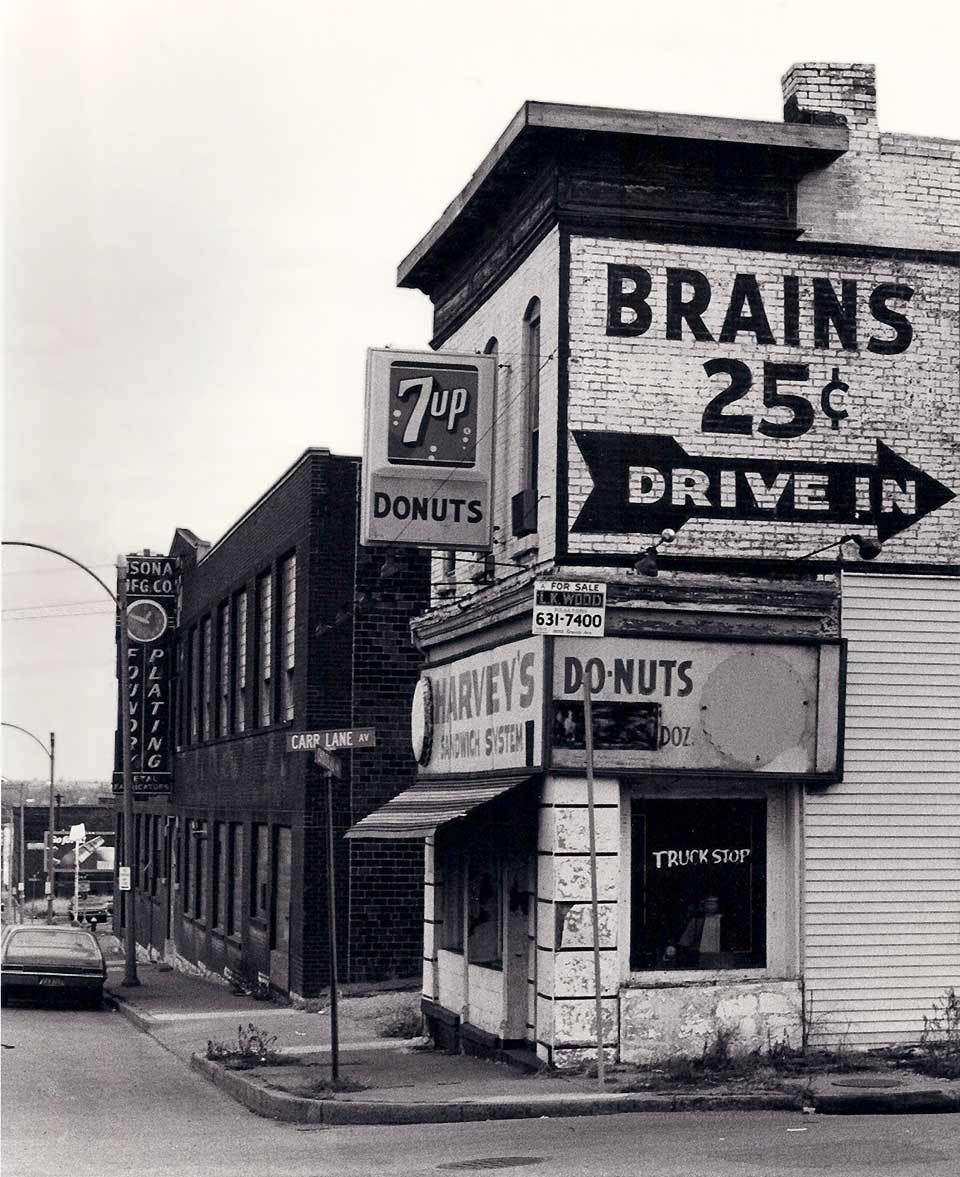
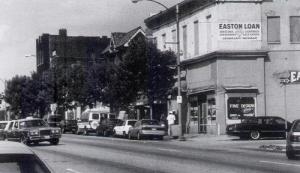
I thought I would add some visuals to help give some context to the places Margret calls home throughout the novel. I can hardly tell you where St. Louis is, let alone what it looked/felt like in the 1960’s. Though Angelou’s masterful descriptions put us by her side on the railroad tracks of Stamps Arkansas, after the clip in class today showing us Angelou’s actual home, here’s a rough image of what her juxtaposed “home” in St. Louis might have looked like.
 Reading Young Adult Literature